Daily tarot practice
Reading tarot · 4 min read · updated
A daily tarot card is a single card drawn each morning as a theme for the day: you shuffle, draw one card, look at it for a minute, write a line about it, and check back in the evening. One card a day is the most common way to learn the 78 cards, because each one gets tied to a real day you remember.
- Also called
- Card of the day, daily draw, daily pull
- Cards
- One
- Time
- 2 to 5 minutes
- Best for
- Learning the cards, noticing patterns
- Chance of a repeat in a week
- About 1 in 4
- Days to see all 78 at random
- About 385 on average
What is a daily tarot card?
The is the smallest there is: one card, one position, one day. It is not meant to forecast what will happen. It gives the day a theme to notice, and by evening you have a small, concrete memory attached to that card.
Teachers of tarot have long recommended it as a beginner's exercise. Joan Bunning's widely used course has students draw one card a day without lingering over the choice, and after a month count the suits and Major Arcana that came up.[1]
How to pull a daily tarot card
- Pick a regular moment: with the first coffee, on the bus, before you open your messages.
- Shuffle until it feels done. Thirty seconds is plenty. See How to shuffle tarot cards.
- Hold a short question in mind, or none. "What should I notice today?" is enough.
- Draw one card from the top, or fan the deck and pick one.
- Look at the picture first. Who is there, what are they doing, what is the weather?
- Then read the card's usual meaning on its card page.
- Write one or two lines: the card, what you saw, one guess about the day.
- In the evening, read the line again and add what actually happened.
The evening step is where most of the learning happens. A morning guess is often off; the gap between the guess and the day is what fixes the card in memory.
What to ask your daily card
Keep the question the same for a few weeks so the days are comparable. Good ones:
- What should I pay attention to today?
- What is the mood of the day?
- What can I offer someone today?
- What might trip me up today?
- What do I need to remember today?
Avoid questions about outcomes, such as "Will today go well?" A single card is too blunt for a verdict. See How to ask tarot a question.
Morning or evening?
Morning draws set a theme; evening draws look back. Both work. A morning card turns the day into a small experiment: you watch for the card. An evening card is easier on busy mornings and closer to a diary: you draw, then ask where the card showed up in the day you just had. Some readers draw the next day's card the night before and sleep on it.
What to write down
A daily tarot journal needs very little:
- Date and the card, with "reversed" if you read .
- One thing you noticed in the picture.
- One guess about the day.
- In the evening: what fitted, what did not.
Writing about your own day and feelings has measurable benefits of its own. Studies of expressive writing since the 1980s find small but real gains in mood and health from writing regularly about what you are going through.[2][3] A daily card is one way to give that writing a starting point. Pulp keeps a card of the day and a note for each day in the same place. See Tarot journal.
Why do I keep getting the same card?
Mostly because repeats are far more likely than they feel. With a fully shuffled 78-card deck:
- The chance that some card comes up twice within seven days is about 24 percent, roughly one week in four.
- Within thirty days, at least one repeat is practically certain: over 99 percent.
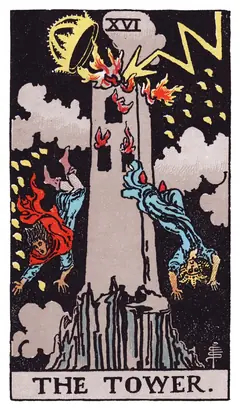
- The chance that a particular card, say The Tower, appears at least once in a month is about 32 percent.
- Drawing at random, you need about 385 days on average to see all 78 cards at least once.
So a repeat is not a sign by itself. If one card keeps coming back, it can still be worth asking why it feels so apt this week; that is a question about you, not about the deck. Weak shuffling can also bring the same cards back, since a new or rarely shuffled deck keeps runs of cards together.
Reading the card against your day
Read the daily card as the theme of the day, not as a script. A card rarely names an event; it points to a mood, a choice or a kind of attention the day asks of you. In the evening, look back at what happened and see where the card showed up. Over weeks this is how the meanings become your own. See Tarot journal.
Ways to vary the daily draw
- Study order. Instead of drawing at random, go through the deck in order, one card a day. It takes 78 days, and you meet every card once.
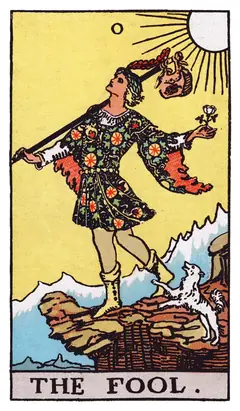
- Major Arcana only. Draw from the 22 for a bigger, simpler theme, starting with The Fool.
- Two cards. One for the day, one for how to meet it.
- A card of the week or month. Draw on Sunday or the first of the month and keep the card in view.
- A . Some readers work out a card from their birthday and the current year, and read the daily card against it.
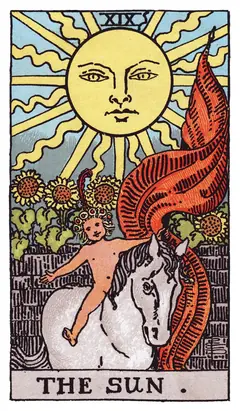
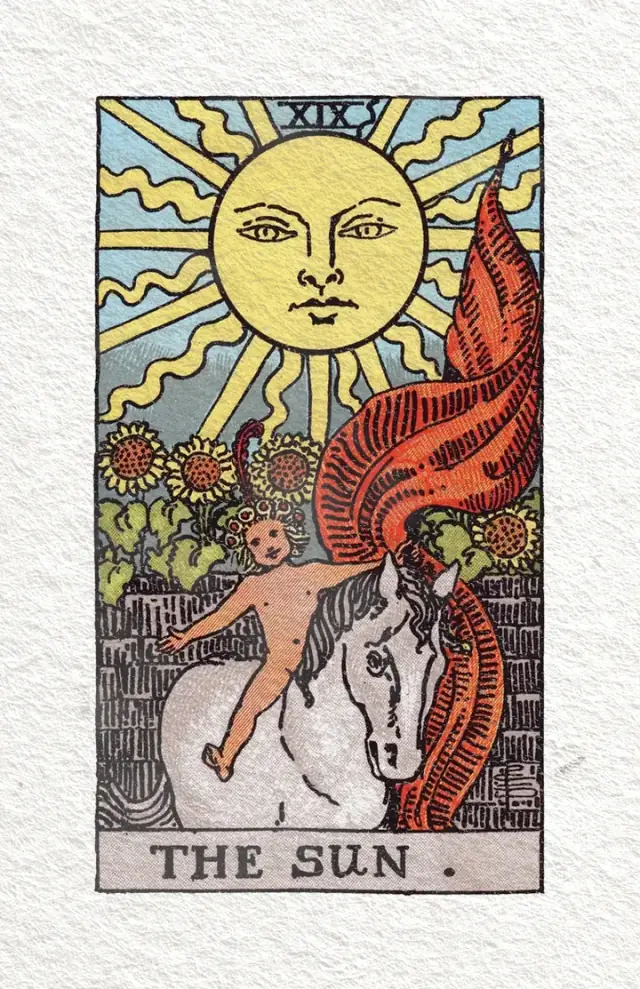
Whatever you choose, keep it short. A daily practice that takes two minutes survives busy weeks; one that takes twenty does not. The Sun, a card many people are glad to see in the morning, is a reminder that some days the card simply matches the weather.