How to ask tarot a question
Reading tarot · 5 min read · updated
To ask tarot a question, make it open, about you and about now: start with "what" or "how" rather than "will" or "when", name the situation, and ask what you can understand or do. "What do I need to see about this move?" gives a fuller reading than "Will the move go well?", because the cards describe situations and attitudes far better than they give dates or verdicts.
- Best opening words
- What, how, where
- Words to avoid
- Will, when, should
- Best subject
- You and your part in it
- Ask again?
- Not the same day
- Write it down
- Yes, before you shuffle
What makes a good tarot question?
A can only be as clear as the question behind it. Readers differ on almost everything else, but most agree on five traits of a question that works:
- Open. It starts with what, how or where, so the cards can describe rather than vote. "What is getting in the way of finishing this?" works; "Will I finish this?" leaves nowhere to go.
- About you. You are the one asking and the one who can act. The person asking is called the , and the reading is about the querent's side of things.
- One subject. "My job and my relationship and whether to move" is three readings. Split it.
- Placed in time. "In the next month" or "this term" keeps the cards on something you can check.
- Something you can use. Ask for a view, a reason or a next step, not a fixed fate.
Good questions work this way everywhere. A tarot card is a picture with a range of meanings, and the question decides which part of that range you look at. Researchers who study how tarot is read make the same point: the card prompts, and the question frames what you see in it.[1]
How to turn a yes-or-no question into an open one
Most first questions are closed. The fix is quick:
- Write the question as it comes: "Will I get the job?"
- Ask what you really want to know underneath it. Usually: how to improve your chances, or how to feel about waiting.
- Swap the opening word for what or how: "What can I do to give myself the best chance at this job?"
- Add a time frame if it helps: "...before the interview on Friday?"
- Read it back. If the answer could only be yes or no, try again.
More examples of the same change:
- "Does she like me?" becomes "What do I bring to this friendship, and what do I want from it?"
- "Should I quit?" becomes "What would change for me if I left, and what would change if I stayed?"
- "When will I meet someone?" becomes "What is keeping me from meeting people right now?"
- "Will the exam go well?" becomes "Where should I put my effort in the next two weeks?"
Can you ask tarot yes or no questions?
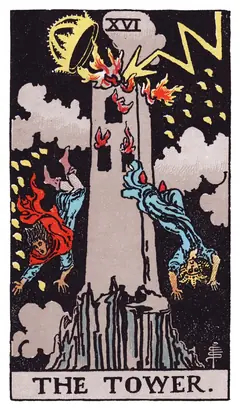
You can, and many readers do. A usually draws one card and reads it by a rule set in advance: upright for yes and for no, or the overall tone of the card. It is fast and can be fun, but it throws away most of what a card says. If you draw The Tower for "Will the move go well?", a bare no tells you less than the card itself: something built on shaky ground is about to change.
A useful compromise is to ask the yes-or-no question and then a follow-up: "And what do I need to know about it?"
Questions to ask tarot
Thirty open questions, grouped by subject. Use them as written or as a pattern for your own.
About yourself
- What do I need to understand about myself right now?
- What am I not letting myself see?
- What habit is helping me, and which one is holding me back?
- What have I outgrown?
- What do I need more of this month?
Decisions
- What is the real choice in front of me?
- What would each option ask of me?
- What am I afraid will happen if I choose?
- What do I already know about this that I am ignoring?
- What is the next small step?
Relationships and friends
- What do I bring to this relationship?
- What am I asking of the other person, said or unsaid?
- How can I make this conversation easier?
- What do I need to forgive, in them or in me?
- What kind of friend do I want to be this year?
Work and study
- What part of my work gives me energy, and what drains it?
- What skill should I work on next?
- How can I prepare for this interview or exam?
- What is stopping me from starting?
- What would make this project feel worth doing again?
Creative work
- What does this piece want to be?
- Where am I playing it safe?
- What should I cut?
- What would I make if no one were watching?
- What is the theme I keep coming back to?
The day or the week
- What should I pay attention to today?
- What is one thing I can let go of this week?
- Where will I find a bit of calm today?
- What did today teach me?
- What do I want to remember about this week?
The last group works well as a . See Daily tarot practice.
Can you ask tarot about someone else?
You can, but you will get your own view of them, not a window into their head. "What is he thinking?" invites guesswork about a person who is not there to disagree. "How do I see him right now, and what do I want from him?" is a question the cards, and you, can actually work with. Most readers also avoid reading about a third party's private life without their knowledge, for the same reason most people avoid reading someone else's post.
What questions should you not ask tarot?
Some questions are better taken elsewhere:
- Health, pregnancy and diagnosis: ask a doctor.
- Legal and money decisions with real stakes: ask a lawyer or an adviser.
- When someone will die, including yourself.
- Anything you would only accept one answer to. If a no would send you straight back to shuffle, the reading cannot help.
A reading can help you think through a medical worry or a legal choice and see what matters to you in it. Take the practical decision together with someone who knows the facts: a doctor, a lawyer, an accountant.
Should you ask the same question twice?
Not straight away. A second draw on the same question usually means the first answer was unwelcome, and you will tend to keep the reading you prefer. If a card is unclear, draw one more as a for that card, then stop. Ask again when something has actually changed: a week later, after the conversation, after the interview.
How to ask the cards a question, step by step
- Write the question down in one sentence.
- Check it: open, about you, one subject, a time frame.
- Choose a that fits. One card for a quick view; a three-card spread for situation, obstacle and advice.
- Hold the question in mind while you shuffle, or say it out loud.
- Draw, read, and write down what you saw next to the question.
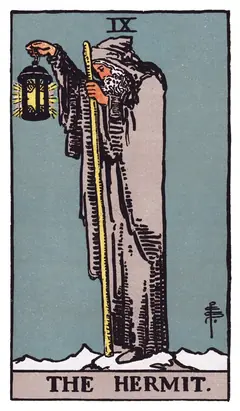
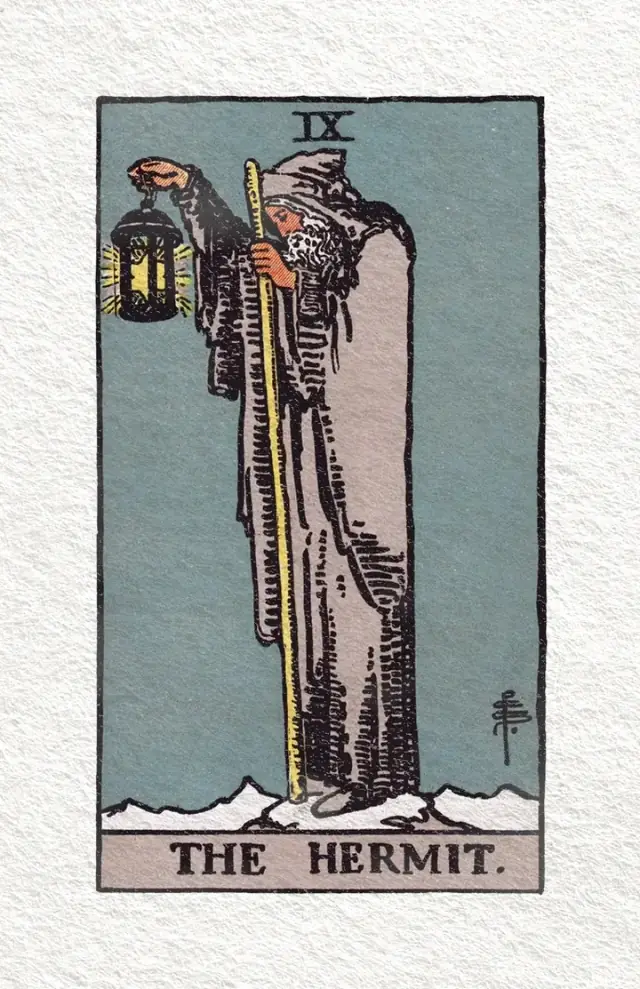
Writing the question down before the cards come out matters more than it looks. Later you can see whether the question was the right one, which is often the most useful thing a reading shows. The Hermit, holding up his lamp, is a fair picture of the whole exercise. See Tarot journal and How to read tarot.