Court cards
Tarot basics · 2 min read · updated
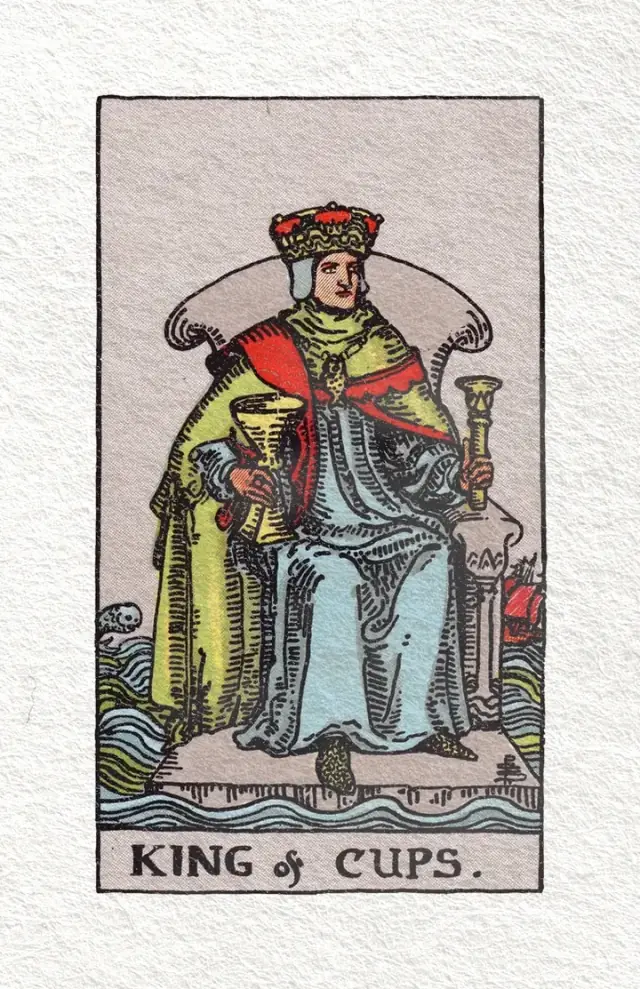
Tarot has 16 court cards, four in each suit: Page, Knight, Queen and King. They can be read as people in your life, as roles or ways of acting, or as sides of yourself. Their rank shows maturity; their suit shows temperament.
- Number
- 16, four per suit
- Rider–Waite–Smith
- Page, Knight, Queen, King
- Marseille
- Valet, Cavalier, Reyne, Roy
- Thoth
- Princess, Prince, Queen, Knight
- French playing cards
- Jack, Queen, King (no Knight)
The four ranks
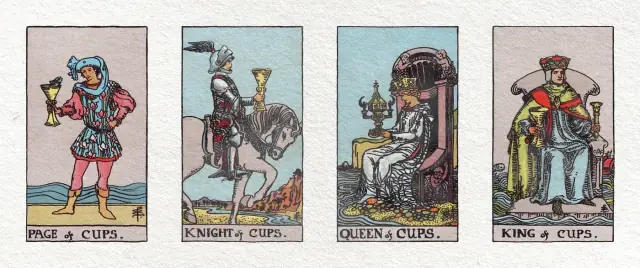
- Page: the beginner, the student, the messenger. Curiosity and news.
- Knight: action and movement, often to an extreme. The suit's energy on the road.
- Queen: the suit's quality held inside, mature and receptive.
- King: the suit's quality directed outward, in control and responsible for others.
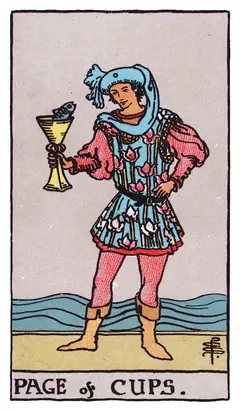
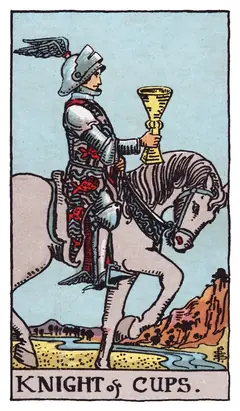
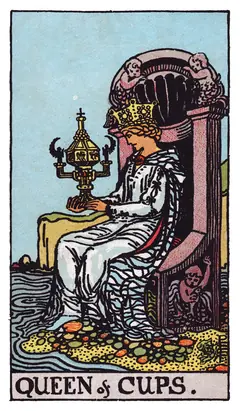
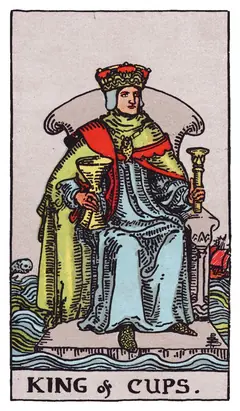
Combine rank and suit and you get a character. The Page of Cups is a dreamy beginner in feelings; the Knight of Cups is the romantic who follows the heart; the Queen of Cups is empathy; the King of Cups is emotional steadiness.
Three ways to read them
- As a person. A court card can stand for someone in the situation: a boss, a partner, a friend. Waite gave many of his courts physical descriptions for this use.[1] Gender and age on the card do not have to match the person.
- As a role or style. The card shows how someone is acting, or how the situation asks you to act: like a Knight (move now) or like a Queen (hold steady).
- As part of you. A court card can show a side of yourself that is active right now.
If you are unsure, try all three and keep the one that fits the question.
Names in different decks
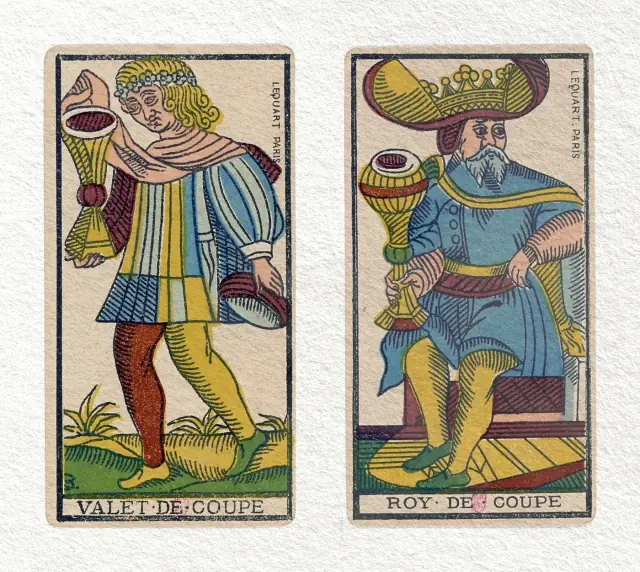
The game of tarot had four court cards per suit from the start, one more than the three of French playing cards, which kept the jack, queen and king and dropped the knight.[2]
- Marseille pattern: Valet, Cavalier, Reyne, Roy. The Valet ranks lowest.
- Rider–Waite–Smith: Page, Knight, Queen, King.
- Thoth and Golden Dawn decks: Princess, Prince, Queen, Knight. Here the Knight on horseback is the highest rank and the Prince takes the place of the King, a change made by the Golden Dawn, which also gave each rank an element: Knights fire, Queens water, Princes air, Princesses earth.[3] See Thoth tarot.
Why court cards feel hard
Beginners often find the courts the hardest cards: sixteen similar figures with no clear event in the picture. A simple practice helps. For each court card, name one real person or fictional character who fits it. After sixteen names the courts start to feel like people you know.