Tarot and playing cards
Tarot basics · 4 min read · updated
Tarot and ordinary playing cards are one family. A tarot deck is a pack of four suits with an extra court card in each, plus 21 numbered trumps and the Fool: 78 cards against 52. You can read with playing cards by matching Clubs to Wands, Hearts to Cups, Spades to Swords and Diamonds to Pentacles; what you lose is the Major Arcana.
- Tarot
- 78 cards: 56 in four suits, 22 trumps
- Playing cards
- 52 cards, plus jokers
- Court cards
- Tarot four per suit, playing cards three
- Older
- Playing cards, Europe 1370s
- Tarot added
- Trumps, Italy, about 1440
- Suit match
- Wands Clubs, Cups Hearts, Swords Spades, Pentacles Diamonds
How is tarot different from playing cards?
Lay a deck next to a standard pack and most of it lines up:
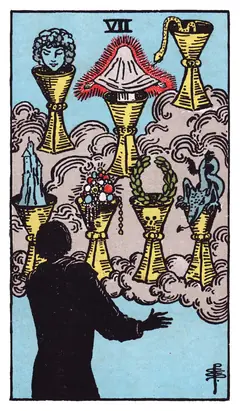
- Suits. Both have four. Tarot's are Wands, Cups, Swords and Pentacles; playing cards have Clubs, Hearts, Spades and Diamonds.
- Numbers. Both run Ace to Ten in every suit.
- Courts. Tarot has four per suit: Page, Knight, Queen, King. Playing cards have three: Jack, Queen, King. The Jack is the old Knave, the same rank as the Page; the Knight is the one that dropped out.
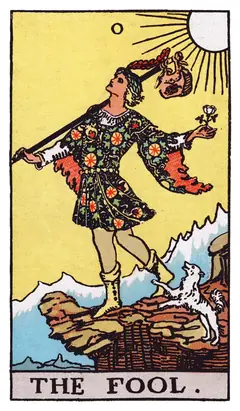
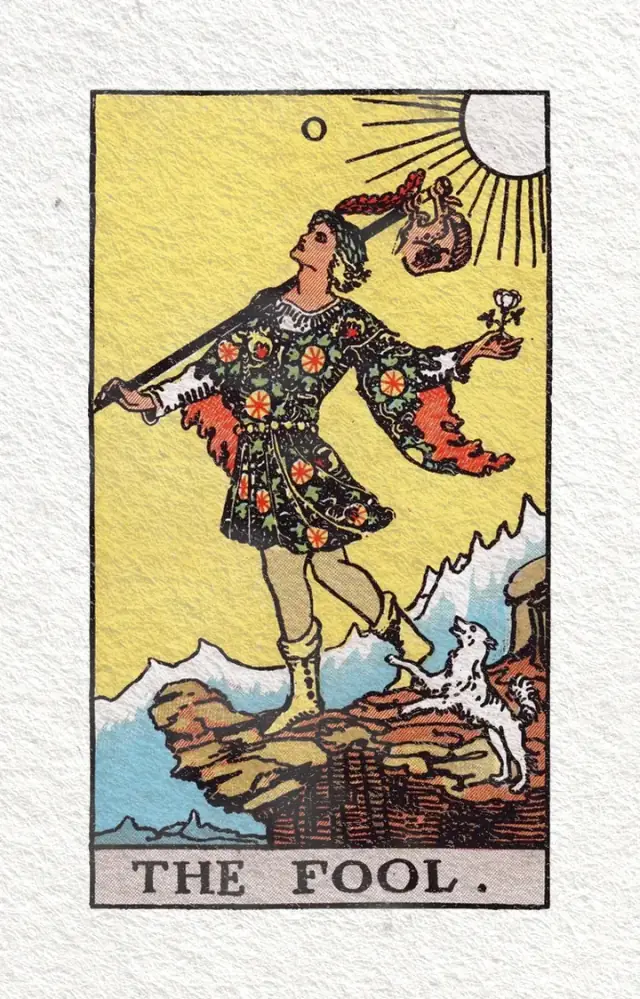
- Trumps. Tarot adds 21 numbered picture cards and the Fool, the 22 . Playing cards have nothing like them, apart from the joker.
- Size. 78 cards against 52, or 54 with two jokers.
So a tarot deck minus its trumps and its Knights is, card for card, a pack of playing cards in different suit signs. The 56 suit cards of tarot are called the . See Major and Minor Arcana.
Which came first, tarot or playing cards?
Playing cards. They reached Europe in the 1370s from the Mamluk sultanate of Egypt and Syria, with four suits of cups, coins, swords and polo sticks and three court cards each.[1] Around 1440, at the courts of northern Italy, someone added a fourth court card and a fifth suit of picture trumps; that was tarot, and for three centuries it was a card game.[1] See History of tarot.
The suit signs most people know today came later. French card-makers simplified the Italian signs into hearts, diamonds, clubs and spades in the late 15th century, because the flat shapes were easier to print with stencils.[1] The Italian suits survived in Italy, Spain and in tarot, which is why Rider–Waite–Smith decks still have Cups and Swords.
Is the joker the Fool?
No, though the idea is popular. The joker was added to the pack in the United States in the 1860s, as an extra top trump for the game of euchre. It has no line of descent from tarot's Fool. The two do play similar parts: the Fool in tarot games is an excuse card that can be played at any time, and the joker is a wild card. That likeness is why many readers use a joker as the Fool when reading with playing cards.
Is tarot still a card game?
Yes. Tarot games are still played across Europe, most of all in France, where jeu de tarot is a common club game, and in Austria and Hungary, where Tarock games are played.[1] The decks used for play usually have French suits and trumps showing everyday scenes or animals rather than the allegories of a reading deck. See Tarot card game.
Can you read tarot with playing cards?
Yes, with some changes. Reading ordinary cards is , and it grew up alongside tarot reading in the 18th century. The Paris fortune-teller Etteilla published his first method in 1770 for a 32-card piquet pack, years before he turned to tarot.[2] To read playing cards as if they were tarot:
- Match the suits: Clubs are Wands, Hearts are Cups, Spades are Swords, Diamonds are Pentacles.
- Read the numbers Ace to Ten as the same numbers in the matching tarot suit. The Seven of Hearts takes the meaning of the Seven of Cups.
- Decide what the Jack is. Most readers fold the Page and the Knight into it; some treat it as the Knight and drop the Page.
- Read Queens and Kings as their tarot counterparts.
- Decide what to do about the missing Major Arcana before you start (see below).
- Lay out your usual and read as you would with tarot.
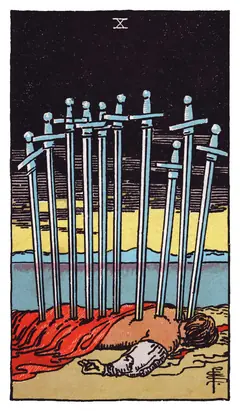
If you want the pictures in your head, keep a tarot deck or card pages nearby while you learn. A Ten of Spades, for example, reads as the Ten of Swords: an ending that is already over.
What about the Major Arcana?
A pack of playing cards has no trumps, so a playing-card reading has no big turning-point cards. Readers handle the gap in three common ways:
- Read without them. The reading stays on everyday matters, which suits many questions.
- Use the jokers: one as the Fool, the other as a wild card for a large, unexpected change.
- Let a run of Aces or a full set of one number stand in for a major theme.
Do playing cards have their own meanings?
Yes. Playing-card cartomancy grew up separately from tarot, and its traditions do not always agree with tarot. In common English fortune-telling, Hearts are love and home, Diamonds money and news, Clubs work and friends, and Spades trouble and endings, and each card has short set meanings that vary from book to book. The 36-card Lenormand deck, named after the Paris fortune-teller Marie-Anne Lenormand, prints a small playing card on each of its pictures. See Tarot vs oracle cards.
You can use either system. Mixing them in one reading tends to confuse, so pick one and keep to it.